


 contact@icitech.net
 0356087075

 VI
VI
 EN
EN
 JA
JA

Building A Modern Architecture for Patient-Centered Imaging Platforms
 10 March 2026
The Problem
Most imaging centers rely on established radiology systems such as PACS, RIS, and vendor-specific portals. These systems are excellent at managing clinical imaging workflows, but often lack:
Patient self-service capabilities
Mobile-first experiences
Integrated communication channels
Transparent billing and payment workflows
Modern API-driven integrations
As a result, patients must still rely on phone calls, manual scheduling, and fragmented communication channels.
The goal of A Modern Healthcare System is to bridge modern patient experiences with existing radiology infrastructure.
The core philosophy of A Modern Healthcare System is simple:
Do not replace existing imaging systems.
Instead, build a secure digital layer that integrates with them.
This approach allows imaging centers to modernize patient interaction without disrupting clinical operations.
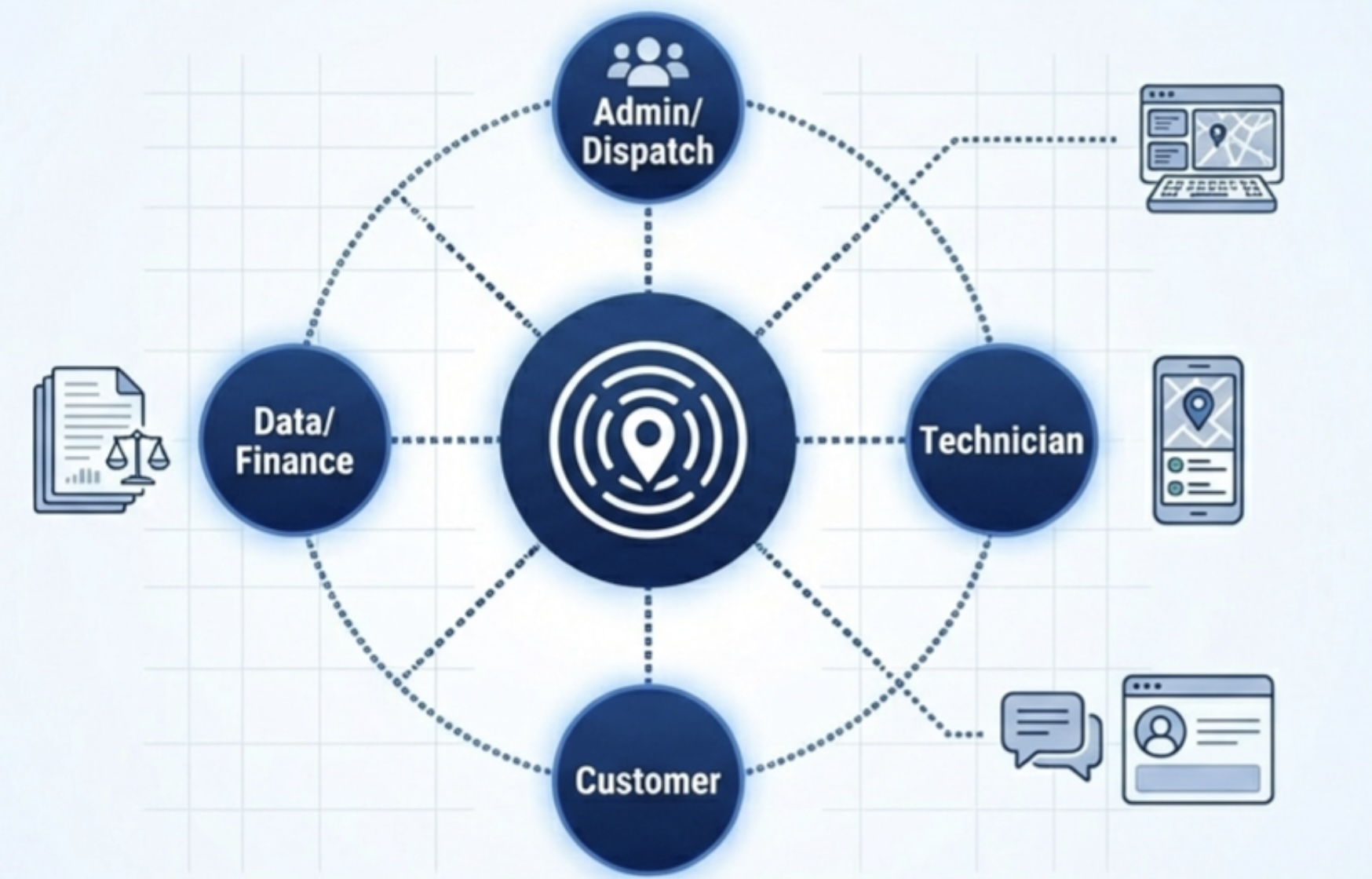
The architecture consists of four major layers:
Client Applications
Platform Services
Integration Layer
External Systems

Core Platform Services
1. Patient Scheduling
One of the most important components is the self-scheduling system.
Patients can:
Choose appointment type
Select imaging location
View available time slots
Book directly from web or mobile
Behind the scenes, the system synchronizes with the imaging center’s scheduling system via APIs or HL7 messaging.
Key considerations include:
Slot availability management
Mobile imaging unit scheduling
Time zone handling
Sync reliability
2. Patient Portal
The patient portal enables secure access to:
Appointment history
Diagnostic results
Insurance records
Billing information
Instead of duplicating clinical data, A Modern Healthcare System stores references and secure links to the radiology system where appropriate.
This minimizes data duplication and reduces compliance risks.
3. Communication Engine
Healthcare communication requires reliability, traceability, and compliance.
The communication service manages:
Appointment reminders
Result notifications
Patient messaging
Template-based notifications
Delivery channels include:
SMS
Email
Mobile push notifications
Every communication event is logged for audit and compliance purposes.
4. Billing and Payments
A Modern Healthcare System integrates with financial systems such as QuickBooks to streamline billing workflows.
Capabilities include:
Invoice generation
Payment tracking
Insurance balance visibility
Payment gateway integration (credit card / ACH)
Synchronization occurs asynchronously to ensure resilience and fault tolerance.
Integration with Radiology Systems
Most imaging centers already operate using established PACS/RIS systems. A Modern Healthcare System integrates with them using two primary methods.
API Integration
When vendor APIs are available, A Modern Healthcare System uses secure REST-based communication to exchange scheduling and patient context information.
HL7 Integration
In environments where HL7 is required, A Modern Healthcare System integrates through an interface engine such as Mirth Connect.
Typical HL7 message types include:
ADT (patient demographics)
SIU (scheduling information)
ORM (orders)
ORU (results)
This allows A Modern Healthcare System to operate within existing healthcare integration ecosystems.
Security and Compliance
Healthcare platforms must be designed with security as a foundational principle.
A Modern Healthcare System implements several safeguards:
Encryption for all patient data in transit and at rest
Two-factor authentication
Role-based access control
Full audit logging
Secure token-based authentication
Data retention policies aligned with regulatory requirements
These mechanisms ensure compliance with HIPAA and similar privacy regulations.
Scalability and Reliability
Healthcare systems must operate reliably at all times.
The architecture includes several reliability mechanisms:
Asynchronous integration workers
Retry queues for external integrations
Caching for performance optimization
Event-driven notifications
Audit logging for traceability
This allows the platform to scale as patient volume grows while maintaining system stability.
Why This Architecture Matters
Healthcare modernization often fails when organizations attempt to replace legacy systems entirely.
A more sustainable approach is to augment existing infrastructure with modern digital capabilities.
By acting as a secure digital bridge between patients and imaging systems, A Modern Healthcare System enables imaging centers to deliver modern patient experiences without disrupting clinical workflows.
Final Thoughts
Healthcare is entering an era where patient experience and digital access are as important as clinical outcomes.
Platforms like A Modern Healthcare System represent a shift toward:
Patient-centered imaging workflows
Interoperable healthcare platforms
Secure digital health ecosystems
The future of healthcare will not be built by replacing existing systems, but by connecting them intelligently.
If you are building healthcare platforms or working with medical imaging systems, I would love to hear your perspective on:
Patient portal design
HL7 integrations
PACS/RIS interoperability
Modern healthcare platform architecture
Let’s connect and share ideas.
**Credit by NghiaNM, via Notion:
https://icitech-developer.notion.site/Building-A-Modern-Architecture-for-Patient-Centered-Imaging-Platforms-319b018b7b8480ae8bbbd5c01ff6a8c9





0 Bình luận